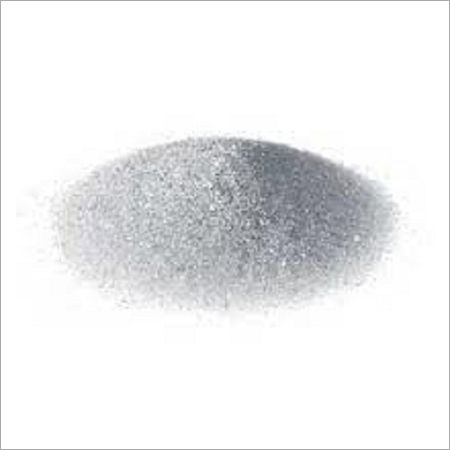
About Peening Glass Bead
Product Specification
Usage/Application Shot blasting, shot chrome
Material To Be Blasted Plate
Brand VISHAL GLASS SHOTS
Size 2 Microns
Color White
Shape Rounds
Material Glass
State Crystals
Minimum Order Quantity 500 Kg
Product Description
Supplier & prepared of Glass Beads For Sandblasting. Our product range comprises of glass beads for shot blasting, glass beads for peening and deburring, glass beads for surface preparation & glass beads for grinding of paints, chemicals, pigments, fertilizers, minerals, etc.
Features:
It provides a smooth and economic cleaning
It fits frequent cleaning
It is used on welding surface
It removes surface oxidation, flame stains
Additional Information
Delivery Time 2 TO 3 DAYS
Production Capacity 15000
Packaging Details 25 KG PP BAGS
Superior Surface PreparationOur peening glass beads stand out due to their perfectly round shape and high-impact resistance, offering consistent finishes for metal and non-metal surfaces. With a sphericity above 80%, they minimize surface embedment and contamination. The controlled bead size range (45850 microns) ensures tailored results for diverse application needs, from automotive to aerospace components.
Safety and Environmental AssuranceManufactured without free crystalline silica and from chemically inert material, these beads are non-toxic and environmentally responsible. They are safe to handle, recyclable for multiple cycles, and support workplaces in meeting strict safety and regulatory requirements. Storage in dry conditions guarantees an unlimited shelf life, making them both safe and economical.
Versatile Industrial ApplicationsPeening glass beads are utilized for cleaning, deburring, peening, and preparing surfaces without altering dimensional tolerances. Their high hardness makes them suitable for demanding environments, yet their non-conductive property allows for safe application on electrical components. Their ability to produce matte to satin finishes enhances both aesthetics and durability across industries.
FAQs of Peening Glass Bead:
Q: How are peening glass beads applied in surface preparation and finishing processes?
A: Peening glass beads are used in specialized blasting machines to clean, deburr, and finish surfaces by projecting the beads at high velocity. The beads energy impacts the surface, removing contaminants, stress-relieving the material, and creating uniform, matte to satin finishes without damaging part geometry.
Q: What makes these glass beads environmentally friendly and safe to use?
A: Our peening glass beads contain no free crystalline silica, are chemically inert, and are non-toxic. They are reusable for multiple blasting cycles, reducing waste, and do not pose hazards during handling or use, supporting sustainable and safe operations.
Q: When is it beneficial to use glass beads instead of traditional abrasive media?
A: Glass beads are especially beneficial when a fine, uniform finish is required without compromising the materials dimensions. They are suited for applications demanding high impact resistance, cleanliness, and when processing sensitive components that cannot be exposed to conductive or ferrous abrasive media.
Q: Where is the use of glass beads most common and effective?
A: Peening glass beads are widely used for surface treatment in the automotive, aerospace, electronics, and medical device industries. They excel in cleaning, deburring, and preparing surfaces prior to painting or coating, and in applications where retainment of part integrity is crucial.
Q: What is the advantage of using spherical glass beads with high shape uniformity?
A: High shape uniformity (>80% spherical) ensures consistent peening and cleaning action, enhancing finish quality and reducing the likelihood of surface embedding. This also promotes longer bead life and improved reusability, lowering operational costs.
Q: How many times can these beads be reused, and what storage conditions are recommended?
A: Peening glass beads are designed for multiple reuse cycles until they lose their shape or effectiveness. Storing them in dry conditions will maintain their properties indefinitely, as they are not prone to chemical or physical degradation under recommended storage.





 Send Inquiry


 Send Inquiry